Measuring Up For Better Management

How Scottish pelagic fishermen are helping collect the data that shapes the future of their fishery

The Challenge

For many years, stock assessments for pelagic species relied heavily on catch data collected in UK ports, but a significant proportion of pelagic catches are landed outside the UK and not available to be sampled by the traditional onshore sampling programme. 

Without access to information from these catches, scientists were working with an incomplete picture of the distribution and age composition of the fishery catches. In short, the quality of information being used for stock assessments had room for improvement.

The Solution

In 2018, the Scottish Pelagic Fishermen’s Association, Shetland UHI and Marine Scotland came together to develop a new approach where fishermen would become an integral part of the data collection process.

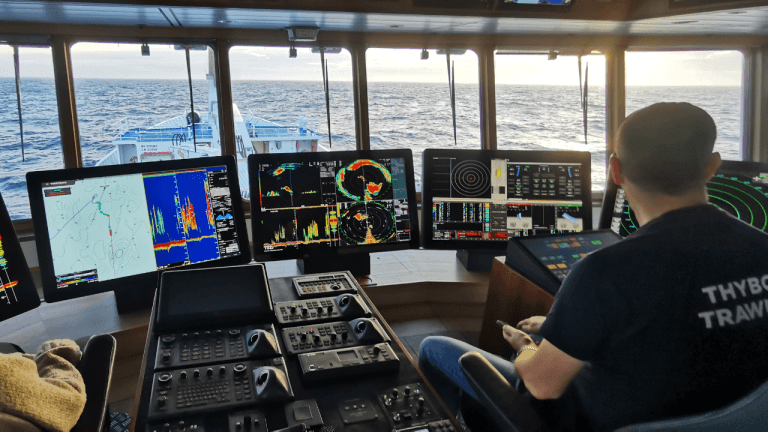
Seven vessels initially joined a voluntary self-sampling pilot scheme, collecting biological information directly from their catches while still at sea. The success of the pilot quickly demonstrated the value of the approach, and participation expanded to include 20 of Scotland’s 21 pelagic fishing vessels.

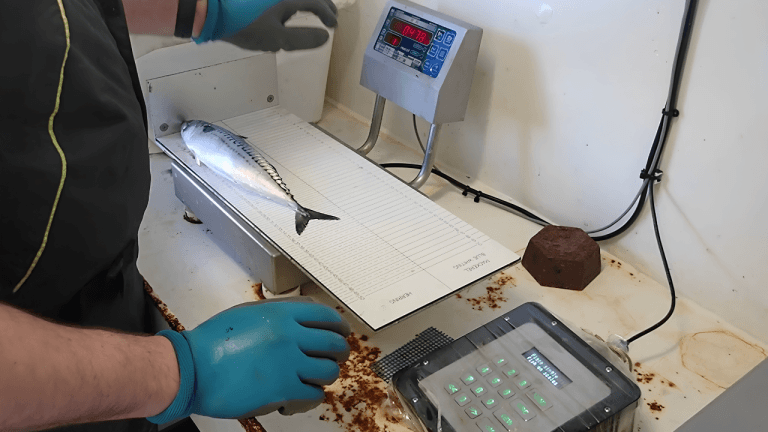
During every fishing trip, crews collect samples from each haul, measuring the length and weight of fish and recording the location and timing of the catch along with additional environmental variables. A random selection of trips are also targeted for additional sampling, where a sample of fish are frozen at sea and returned to fish laboratories so that their age, sex and maturity can be determined. The data gathered are supplied to the International Council for the Exploration of the Sea (ICES), where it contributes directly to annual stock assessments.

Developing this system required close collaboration. Fishermen worked with scientists to design sampling methods that were practical to carry out during normal fishing operations, while organisations including Shetland UHI, Marine Scotland, SPFA and the Scottish Fishermen’s Federation helped oversee training, quality assurance, logistics and data management.

The Outcome

What started as a pilot involving seven vessels became a nationally adopted approach. Since 2021, scientific data on pelagic catches are collected directly the crews on pelagic vessels and includes those landing in the UK or abroad. The new sampling programme, called the Scottish Pelagic Industry Science Data Collection Programme is now an integral part of Scotland’s National Sampling Programme. It provides a more representative understanding of the herring, mackerel and blue whiting fisheries, contributing to better knowledge on the stock status and sustainability. 

The programme strengthened relationships between industry and science. Their involvement has helped build trust in the data, confidence in the process and a shared understanding of the challenges facing the fishery. This positive working relationship has facilitated collaboration on new areas of pelagic science too.

By combining scientific expertise with practical experience at sea, the project is helping ensure that management decisions are informed by the best possible evidence — and that the future of Scotland’s pelagic fisheries is built on a more complete understanding of the stocks they depend upon.

Find out More

Read Another Story

“Fishing skippers tend to keep diaries detailing where and when they fished and what they caught. This is currently unearthed data, and the knowledge it contains on changes in pelagic stocks and fisheries is likely to be useful for fishermen and scientists alike. It will complement contemporary data collected under the self-sampling programme and provide fishermen with means to bring their data to life so they can better track and interpret changes in catching patterns. Having a long history of data from across the fleet will be scientifically valuable to research on changes in the North Atlantic pelagic ecosystem.”

Dr Steven Mackinson, SPFA

"The example here of the development of an industry-led pelagic sampling programme can serve as a role model for others intent on similar applications. This new arrangement of collaborative sampling also gives the scope for greater industry involvement and responsibility in scientific research in the future“

Ian Gatt, Chief Executive, SPFA

“The strong uptake from industry strengthen the evidence base; improving insight into the health of these fish stocks and state of Scotlands marine environment”

Matt Gubbins, Head of Fisheries Data within the Scottish government Marine Scotland directorate

We are delighted to see how the collaboration between SPFA, Scottish government and ourselves has developed new ways of collecting scientific data to support improvements in fish stock assessment. The pelagic sector is of huge importance locally and working cooperatively with industry remains a key strategic aim for us”

Professor Jane Lewis, Principal and CEO Shetland UHI

“The scottish pelagic industry recognises that engagement in science is more important now than ever. Taking new repsonibiloties for providing scientific samples is seen by the industry asa welcome opportunity to directly contribut to the continuous improvement of stock assessments”

Ian Gatt, Chief Executive, SPFA
Contact Details

We use third-party cookies to personalise content, ads and analyse site traffic.

Learn more